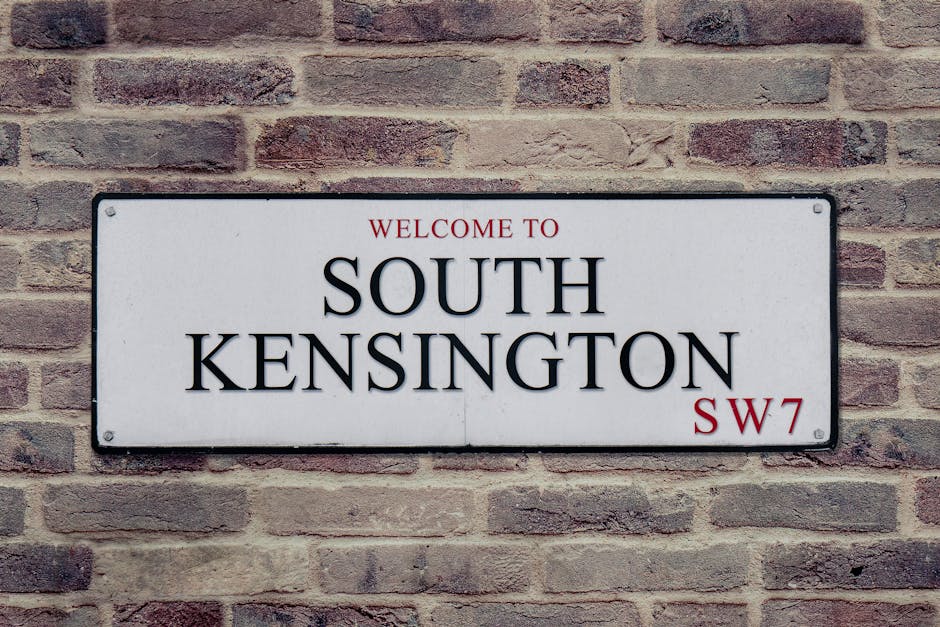
Landlord Guide Rubbish Disposal Rules South Kensington Flats
If you manage a flat in South Kensington, rubbish can become a surprisingly delicate issue. One bin bag left in the wrong place, one abandoned sofa in a communal hallway, and suddenly you have tenant complaints, a frustrated freeholder, and a mess that looks worse than it is. This landlord guide to rubbish disposal rules in South Kensington flats is here to make the whole thing feel less slippery.
We will walk through what landlords usually need to do, how disposal works in shared buildings, where the common risks sit, and how to stay on the right side of day-to-day best practice. Truth be told, a lot of problems come from unclear responsibility rather than bad intent. So let's make the responsibility clear.
Whether you are dealing with end-of-tenancy waste, furniture left behind, builders' debris after a refurbishment, or just the slow drip of clutter that builds up in a rental flat, the practical aim is the same: keep the building tidy, compliant, and usable for everyone.
Table of Contents
- Why this matters for South Kensington landlords
- How rubbish disposal rules work in flats
- Key benefits of doing it properly
- Who this guide is for
- Step-by-step landlord process
- Expert tips that save time and hassle
- Common mistakes to avoid
- Tools, resources and recommendations
- Law, compliance and best practice
- Options and comparison table
- Real-world example
- Practical checklist
- Conclusion
- Frequently asked questions
Why Landlord Guide Rubbish Disposal Rules South Kensington Flats Matters
In a flat, rubbish is never just rubbish. It affects hallways, lifts, bin stores, neighbours, pests, odours, access routes, and the overall feel of the building. In a place like South Kensington, where many properties are period conversions or managed apartment buildings, there is often less space for error. The bin area may be compact, access may be shared, and everyone notices when something is left where it shouldn't be.
For landlords, that means rubbish disposal is partly a practical maintenance issue and partly a tenancy management issue. If a tenant leaves furniture behind, or if waste is dumped beside a communal bin store, the result is not only untidy. It can create tension with neighbours, increase cleaning costs, and in some cases lead to disputes about deposit deductions or contractual responsibility.
There is also the reputational side. Let's face it, a clean entrance and a well-managed waste area make a property feel cared for. That matters when you are retaining good tenants or preparing a flat for reletting. Nobody wants to walk into a hallway that smells faintly of old takeaway and damp cardboard at 8:30 on a grey Monday morning.
Landlords also need to think about fairness. If the lease or tenancy agreement is vague, the waste problem usually becomes a blame problem. Clear guidance, good communication, and a simple disposal plan can prevent that before it starts.
Expert summary: In South Kensington flats, good rubbish control is less about grand systems and more about clear responsibility, predictable collection arrangements, and fast action when bulky waste appears.
How Landlord Guide Rubbish Disposal Rules South Kensington Flats Works
The basic principle is simple: landlords need to understand who is responsible for what, what can go into the regular bin stream, what must be separated, and when a professional clearance or waste removal service is the sensible option. The details vary by building, but the workflow is usually similar.
First, check the property setup. Is it a single flat with private bins, or a conversion with shared refuse storage? Is there a concierge, managing agent, or building supervisor who controls access? These details matter because they affect how waste is moved, where it can be left, and who can organise collection.
Next, identify the type of waste. Household waste is one thing. A damaged wardrobe, broken chair, old mattress, plasterboard from a refresh, or a stack of renovation debris is another. Different waste streams often need different handling, and bulky items should not simply be left in a communal space "for later". Later has a habit of becoming never.
In many real situations, the landlord is not the person physically carrying items out. Instead, the landlord sets the process, the tenant follows it, and a clearance team steps in for anything too large, too heavy, or too awkward for normal disposal. For example, if a tenant leaves a sofa at the end of a tenancy, you may need a planned flat clearance rather than an improvised sweep-up.
Where refurbishment is involved, builders' waste brings its own rules and practical headaches. Dusty rubble in a lift, plaster sacks in a hallway, and a pile of broken panels by the kerb all create different risks. In those cases, a dedicated builders waste clearance approach is usually more appropriate than standard domestic bin disposal.
Landlords also need a record of what was removed, when, and why. That does not have to be fancy. A simple note, email trail, or inventory image can be enough to settle later questions. Small thing, big difference.
Key Benefits and Practical Advantages
Doing rubbish disposal properly is not glamorous, but it saves you real trouble. A tidy system protects the building and makes tenancy changes smoother. It also helps you spot problems before they snowball.
- Cleaner communal areas: fewer obstructions, less odour, less mess at the bin store.
- Fewer disputes: clearer rules make deposit deductions and end-of-tenancy expectations easier to defend.
- Lower risk of pest problems: rubbish left in corners or near entrances can quickly attract unwanted attention.
- Better presentation: a clean property feels more managed and more desirable.
- Safer access: no blocked corridors, fire routes, or stairwells cluttered with items waiting to be "sorted tomorrow".
- More efficient lettings: flats can be turned around faster when clearance is planned rather than improvised.
There is also a cost angle. A little planning can be cheaper than repeated emergency callouts. For instance, when several items accumulate after a tenancy ends, it is often more efficient to bundle them into one scheduled clearance rather than sending someone out twice. If you need to compare options, a look at pricing and quotes can help you think in practical terms without guessing.
And for landlords managing multiple units, consistency is a quiet advantage. Tenants tend to behave better when the building feels orderly. Not perfect. Just orderly. That is usually enough.
Who This Is For and When It Makes Sense
This guide is for landlords, letting agents, property managers, and freeholders dealing with flats in South Kensington. It also helps if you are a landlord with one rental flat and no on-site team, because in that situation waste rules can feel oddly personal. One missed collection can take over your week.
You will find it particularly useful if you are dealing with any of the following:
- end-of-tenancy rubbish left by outgoing tenants
- bulky furniture that will not fit in communal bins
- refurbishment debris after decorating or repairs
- loft, garage, or storage areas that have filled up over time
- shared bin spaces that need tidying after contractor visits
- tenant complaints about waste being left in hallways or outside doors
It also makes sense when you are trying to set a standard for future tenancies. A decent waste clause in your agreement is useful, yes, but a sensible process is even better. People understand what they can see. A clear instruction sheet on move-in day often works better than a dense block of legal text nobody reads.
If the flat is being prepared for a new tenant, a professional flat clearance can be the cleanest way to reset the space. If the issue is broader than one flat and involves a whole property, a home clearance may be more appropriate.
Step-by-Step Guidance
Here is a straightforward process landlords can actually use. No fluff. Just the practical flow.
- Identify the waste early. As soon as a tenancy notice is given, do a quick check for bulky items, leftover bags, old appliances, or contractor waste.
- Separate regular rubbish from bulky waste. Bags and food waste are one stream. Furniture, mattresses, and renovation debris are another.
- Check the building rules. If the flat sits inside a managed block, confirm where rubbish can be stored, when collections happen, and what the access arrangements are.
- Tell the tenant clearly. Make it plain what they must remove, what you expect them to leave behind, and what will be charged if items are abandoned.
- Photograph the condition. A few quick photos before and after are often enough to avoid arguments later.
- Arrange the right removal method. Choose the method that fits the waste type, timing, and building access.
- Keep the route clear. Stairwells, lifts, and entrances should not be blocked. This is one of those details that sounds obvious until someone leaves a chair on the landing.
- Confirm disposal responsibly. Use a service that handles loading, transport, and disposal in a tidy, traceable way.
- Reset the space. Once the waste is gone, check for hidden rubbish in cupboards, under beds, and in balconies or storage spaces.
- Update your records. Make a note of what was removed and any tenant charges or deductions if applicable.
If the waste is mostly old furniture, a targeted furniture disposal approach may be enough. If there are multiple item types mixed together, waste removal is often the better fit.
Expert Tips for Better Results
Small adjustments make a big difference in rental flats. In our experience, most waste problems get easier once the process becomes predictable.
- Use a move-out checklist. Include rubbish, recycling, cupboards, balconies, and external storage.
- Set a no-dumping rule in writing. Tenants should know that hallways and shared entrances are not temporary storage areas.
- Plan for bulky items before check-out day. A wardrobe is much easier to handle when you know about it three days earlier rather than three hours later.
- Keep a few spare instructions for contractors. Builders are busy, and not every contractor will instinctively think about communal access, so spell it out.
- Use photos, not assumptions. If an item was already there, or was left by a previous occupier, document it.
- Think about timing. Morning collections can be easier in busy streets, but loading times and building access need to be checked first.
- Do not mix waste types casually. A few minutes of sorting can save a lot of back-and-forth later.
A slightly odd but useful habit: walk the flat from the front door inward, room by room, as if you were the next tenant. You notice different things that way. A smell. A hidden bag. A box shoved behind a radiator. It is not glamorous, but it works.
If the property often needs clear-outs because tenants leave too much behind, it may be worth using a broader house clearance style service for larger resets. That is especially helpful when the flat has been used as a long-term furnished let and clutter has quietly built up over time.
Common Mistakes to Avoid
Here is where landlords can save themselves a headache. The same mistakes come up again and again, and most are avoidable.
- Leaving responsibility vague. If nobody knows who handles waste, it usually ends up being the landlord by default.
- Assuming communal bins will take everything. They usually will not, and forcing the issue only creates complaints.
- Ignoring bulky waste until the last minute. Sofas and mattresses are not easy to "just move out tomorrow".
- Using the hallway as storage. This creates a safety and nuisance issue fast.
- Failing to check access restrictions. Some buildings have lift limits, service hours, or collection windows that must be respected.
- Forgetting leftover items in balconies, lofts, or cupboards. The obvious mess gets cleared; the hidden mess gets forgotten.
- Not keeping evidence. If a tenant disputes a charge, you will want photos and notes.
One of the most common slip-ups is trying to handle everything with a car boot and good intentions. Sometimes that works for a lamp and two bags. It does not work for three wardrobes and a broken bed frame, obviously. The scale matters.
For landlord stock that includes furniture left behind between tenancies, a service such as furniture clearance can remove that pressure quickly and keep the flat ready for viewings.
Tools, Resources and Recommendations
You do not need a complicated toolkit to manage rubbish disposal well. A few practical resources go a long way.
| Tool or resource | Why it helps | Best use |
|---|---|---|
| Move-in / move-out checklist | Keeps tenants and landlords aligned | End of tenancy and pre-check-in |
| Photo record | Shows condition before and after clearance | Deposit disputes and inventory management |
| Building waste instructions | Explains bin area use and collection times | Communal flats and managed blocks |
| Professional clearance service | Handles heavy, bulky, or awkward items | End-of-tenancy resets and refurbishments |
| Recycling guidance | Helps separate reusable and recyclable items | Furniture, white goods, mixed loads |
For landlords who want to reduce waste and improve sustainability, the recycling and sustainability information on the site is a sensible place to start. It is especially useful when you are trying to balance tidy disposal with a lower-waste mindset.
Where safety and handling are concerns, check the business's health and safety policy and insurance and safety information before you book. That may sound dry, but if a heavy item has to come down narrow stairs in an old building, dry details matter.
Law, Compliance, Standards, or Best Practice
This topic touches on compliance, so careful wording matters. Landlords should follow the tenancy agreement, building rules, and applicable UK waste and safety expectations. The exact legal position can depend on the type of waste, the property setup, and who generated the waste in the first place.
As a general rule, landlords should not encourage fly-tipping, unsafe storage, or blocked communal access. Waste should be stored and moved in a way that does not create fire risk, hygiene issues, or nuisance to neighbours. That sounds basic, but the basics are exactly where most problems live.
Best practice usually includes:
- clear clauses in tenancy agreements about tenant waste responsibilities
- documented check-in and check-out inspections
- safe handling of bulky items and contractor debris
- appropriate separation of recyclable and non-recyclable waste where possible
- prompt removal of abandoned items from shared areas
- using insured and accountable waste handlers when the job is too large or risky to manage in-house
If your property is undergoing works, be especially cautious with construction offcuts, packaging, plasterboard, and old fittings. Those materials can quickly become awkward in a flat context, which is why builders waste clearance is often the cleaner route. For a workspace used by agents or landlords, the same disciplined approach seen in business waste removal can also be helpful.
The safest approach is simple: if you are unsure whether a particular waste stream can go with standard rubbish, treat it as a separate disposal decision rather than assuming it is fine. That little pause can prevent a lot of trouble.
Options, Methods, or Comparison Table
Landlords usually have three practical choices: ask tenants to handle the waste themselves, manage it through the building's normal system, or book a clearance service. Each has its place.
| Method | Best for | Pros | Watch-outs |
|---|---|---|---|
| Tenant self-disposal | Small, ordinary household waste | Low cost, simple when tenant is cooperative | Relies heavily on compliance and timing |
| Building bin / communal system | Regular day-to-day rubbish | Convenient for ongoing use | Not suitable for bulky or excess waste |
| Professional flat clearance | End-of-tenancy or bulky items | Fast, tidy, less stress for landlord | Usually more expensive than DIY, but often worth it |
If the flat has one or two old items and you have time to coordinate, tenant self-disposal may be enough. If the issue is a sofa, mattress, broken shelving, and a dozen bags of mixed rubbish, you are probably better off arranging a proper clearance. That is the honest answer.
For landlords who deal with awkward items often, furniture disposal and waste removal usually offer a more reliable outcome than trying to piecemeal it yourself.
Case Study or Real-World Example
Imagine a furnished one-bedroom flat near South Kensington station. The tenant gives notice in late afternoon, and by the following week the property needs to be turned around quickly for viewings. The flat itself is in decent shape, but there are three problems hiding in plain sight: a worn armchair, a mattress leaning in the spare room, and several bags of mixed rubbish that were never taken to the bin store.
The landlord could try to solve it in stages, but the building has a narrow stairwell and a communal bin area with limited space. A rushed DIY approach would probably mean multiple trips, awkward lifting, and a bit of grumbling from neighbours. Not ideal.
Instead, the landlord documents the waste, checks access times, and books a clearance service for the bulky items. The small rubbish bags are taken out separately, the hall is left clear, and the flat is ready for cleaning the same afternoon. Nothing dramatic happened. That is actually the point. Good waste management often looks boring from the outside because it prevents the interesting problems from happening.
If you manage several flats in the same building, the value becomes even clearer. One clean-out can set the standard for the next tenancy. It also helps the building feel cared for, which people do notice, even if they do not say so out loud.
Practical Checklist
Use this before and after any flat clearance or rubbish removal job.
- Confirm who is responsible for the waste
- Review the tenancy agreement and any building rules
- Identify bulky items, mixed waste, and contractor debris
- Photograph the flat before work starts
- Check access routes, lift use, and collection timing
- Separate recyclable, reusable, and general waste where possible
- Keep communal areas clear during removal
- Arrange the right type of clearance for the load
- Record what was removed and when
- Inspect the property again after clearance
- Make any tenant charge or deposit note promptly
- Save photos and notes for your records
And one small extra: look inside cupboards, under beds, behind doors, and on balconies. The sneaky items are almost always in the places you thought would be empty. Annoying, but true.
Conclusion
For South Kensington landlords, rubbish disposal is one of those background duties that quietly shapes everything else. It affects tenant satisfaction, building presentation, safety, and how smoothly you can turn a flat around. When the rules are clear and the process is tidy, the whole property runs better.
Start with responsibility, keep a simple checklist, and choose the right disposal method for the waste in front of you. That is the whole game, really. Not flashy, just effective. And in rental property management, effective beats clever every time.
If you need a dependable way to clear a flat, remove bulky furniture, or handle mixed waste without turning the week upside down, it is worth speaking to a team that understands both the practical side and the local pace of South Kensington living.
Get a free quote today and see how much you can save.
For more background on the company, you can also visit about the team or head to the contact page when you are ready to talk through a specific property.
Frequently Asked Questions
Who is usually responsible for rubbish disposal in a rented flat?
It depends on the tenancy agreement and the type of waste. In most cases, tenants handle day-to-day household rubbish, while landlords manage abandoned items, end-of-tenancy clearance, and anything left behind after move-out. Clear wording helps avoid confusion.
Can a landlord leave bulky waste in a communal bin area?
No, not as a general rule. Bulky waste can block access, upset neighbours, and create safety issues. It is usually better to arrange a proper collection or clearance rather than leaving items in shared spaces.
What counts as bulky waste in a flat?
Typical examples include sofas, mattresses, wardrobes, desks, broken chairs, and large packaging from furniture or refurbishments. Anything that does not fit neatly into normal bins should be treated separately.
Do landlords need to photograph rubbish before removing it?
It is not always a legal requirement, but it is a very smart habit. Photos help with inventory records, deposit disputes, and tenant communication. A few quick images can save a lot of back-and-forth later.
What should I do if a tenant leaves furniture behind?
Document the items, check the tenancy terms, and arrange clearance if the tenant does not remove them promptly. Depending on the situation, furniture clearance or furniture disposal may be the most efficient option.
Is it better to use a waste removal service or do it myself?
For a few light items, DIY might be fine. For bulky furniture, mixed waste, or limited access flats, a professional service is usually easier, safer, and less disruptive. In older buildings, that difference really shows.
How do rubbish rules change in shared South Kensington buildings?
Shared buildings usually have stricter access, storage, and collection arrangements. Hallways, lifts, and bin stores must stay clear, and landlords often need to coordinate with managing agents or freeholders before removing larger items.
What happens if waste is left in the hallway?
It can create a safety hazard, upset neighbours, and lead to complaints or enforcement concerns. Landlords should act quickly to remove it and remind tenants that communal routes are not storage areas. Simple, but important.
Can I charge a tenant for rubbish removal?
Possibly, but only if the tenancy agreement supports it and the situation is properly documented. Keep photos, notes, and any communication about the waste. When in doubt, use clear records rather than assumptions.
What is the safest approach during a flat clearance?
Check access first, separate waste types, avoid blocking communal areas, and use insured help for heavy or awkward items. If builders' debris is involved, treat it as a separate job rather than mixing it with regular rubbish.
How can I stop rubbish problems from happening again?
Set expectations early, give tenants a clear move-out checklist, and keep the building's waste instructions easy to find. A steady routine matters more than a dramatic fix. Prevention is much less stressful, honestly.
Where can I learn more about sustainability and safe disposal?
If you want to keep the process tidy and more responsible, the site's recycling and sustainability page is a good supporting resource, especially for landlords trying to reduce waste without adding complexity.