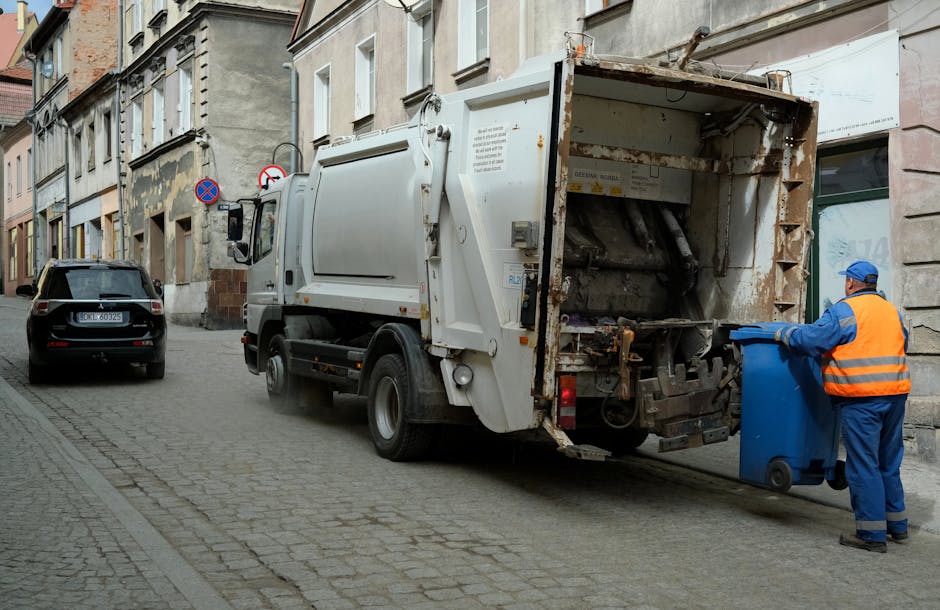
Exhibition Road Rubbish Collection Guide SW7
If you are trying to clear rubbish around Exhibition Road in SW7, you will already know the problem is not usually the rubbish itself. It is the access, the timing, the parking, the awkward lifts, the neighbours, and the sheer fact that a quick tidy-up in South Kensington can become a whole logistical puzzle. This Exhibition Road Rubbish Collection Guide SW7 breaks it down in plain English, so you can plan a collection that is tidy, efficient, and far less stressful than you expected.
Whether you are dealing with a flat clearance, old furniture, builders' waste, or general household rubbish, the best approach is the one that fits your building, your schedule, and how much you actually need gone. A lot of people only realise that once the bags are already in the hallway. A bit late, to be fair, but not the end of the world.
In this guide, you will learn how rubbish collection in Exhibition Road typically works, what to think about before booking, where people often go wrong, and how to keep the process smooth from start to finish. There is also a checklist, a comparison table, and a proper FAQ section for the questions people actually ask.
Table of Contents
- Why Exhibition Road Rubbish Collection Guide SW7 Matters
- How Exhibition Road Rubbish Collection Guide SW7 Works
- Key Benefits and Practical Advantages
- Who This Is For and When It Makes Sense
- Step-by-Step Guidance
- Expert Tips for Better Results
- Common Mistakes to Avoid
- Tools, Resources and Recommendations
- Law, Compliance, Standards, or Best Practice
- Options, Methods, or Comparison Table
- Case Study or Real-World Example
- Practical Checklist
- Conclusion
- Frequently Asked Questions
Why Exhibition Road Rubbish Collection Guide SW7 Matters
Exhibition Road sits in one of those parts of London where everything feels close together, but waste collection can still be surprisingly complicated. You may be dealing with a basement flat, a mansion block, a mews property, a business premises, or a renovation project where materials have piled up faster than anyone expected. In that setting, a rubbish collection guide is not just a nice-to-have. It helps you avoid delays, extra lifting, and the classic "where does this all go?" moment.
Local rubbish collection matters more in SW7 because access can be tight and time windows are often narrow. If you book without thinking through the details, you can end up with a skip that blocks the road, a van that cannot park nearby, or a collection crew spending longer manoeuvring than actually clearing. That is no fun for anyone.
There is also the issue of sorting. A mixed load can contain reusable items, recyclable materials, and genuinely bulky waste. If you know what you have before collection day, you can make better decisions about disposal, recycling, and whether a dedicated service like furniture clearance or builders waste clearance makes more sense than a general rubbish removal visit.
Practical takeaway: on Exhibition Road, the biggest savings often come from planning access and sorting waste properly, not from rushing the booking.
That simple point saves more hassle than people expect.
How Exhibition Road Rubbish Collection Guide SW7 Works
In practice, rubbish collection in Exhibition Road usually follows a simple pattern. You identify the waste, decide what needs removing, choose a suitable service, and arrange a collection time that works for your property access. The details are what make it succeed or fail.
Most people start with one of three situations:
- a one-off household clear-out
- bulky items such as sofas, wardrobes, or mattresses
- post-refurbishment waste, packaging, and light construction debris
From there, the provider usually asks for a description of what needs removing, approximate volume, access details, and whether there are stairs, lifts, or loading restrictions. That matters because an easy ground-floor pick-up is a very different job from a fourth-floor flat with no lift and a narrow stairwell. You can almost hear the difference before the quote is even finished.
If you are clearing a property rather than simply removing one or two items, it may be more efficient to use a broader service such as flat clearance, home clearance, or house clearance. If the waste comes from a business premises, business waste removal or office clearance may be the better fit.
Truth be told, many collections are straightforward once the waste type is understood. The tricky bit is usually the building, not the rubbish.
Key Benefits and Practical Advantages
A good rubbish collection plan does more than clear space. It protects your time, keeps the property usable, and reduces the awkward pile-up effect that tends to spread through hallways, spare rooms, and bin stores. In Exhibition Road, where properties often have shared access or limited storage, that is a real advantage.
- Less disruption: a well-planned collection avoids long delays and repeated lifting.
- Better presentation: useful for landlords, agents, and businesses preparing for viewings or handovers.
- Safer movement through the property: fewer trip hazards, less strain, and less clutter in tight spaces.
- More practical disposal: items can be separated for reuse, recycling, or specialist handling where appropriate.
- Faster turnaround: especially helpful when a move-out date or works deadline is looming.
If you have ever tried to shift a heavy cabinet down a narrow staircase at 8.15 in the morning while someone else is trying to leave the building, you already know why these benefits matter. It is not glamorous. It is just life in London.
Another benefit is flexibility. You do not need to over-commit to a larger job than you actually have. For example, a single furniture drop-off might suit furniture disposal, while a mixed garage or storage clear-out could be better handled through garage clearance or loft clearance.
Who This Is For and When It Makes Sense
This guide is useful for pretty much anyone in the Exhibition Road area who needs waste removed without turning the day into a full-scale operation. That includes residents, landlords, estate managers, local businesses, tradespeople, and anyone moving in or out of a property.
Common situations where rubbish collection makes sense
- moving home and wanting to avoid taking junk to the next address
- clearing out old furniture after a tenancy ends
- removing packaging and leftover materials after decorating
- handling office or retail clutter before a refit
- decluttering a loft, garage, or basement
- disposing of garden waste after seasonal work
If the work is tied to construction or refurbishment, a dedicated service such as builders waste clearance may be more appropriate. If you are clearing outdoor waste, garden clearance is usually the cleaner option.
People often ask whether it is worth arranging a collection for only a few items. Often yes, if the items are bulky, heavy, or hard to move safely. A broken wardrobe can take far more effort than a dozen smaller bags. Funny how that works.
Step-by-Step Guidance
If you want the process to run smoothly, it helps to think in stages. Not everything needs to be done at once, but a little order makes a big difference.
- Walk through the property. Check every room, cupboard, and storage area so nothing gets forgotten.
- Separate the waste. Put bulky items, bagged rubbish, recyclables, and reusable items into clear groups.
- Note access issues. Staircases, lifts, parking, loading restrictions, and shared entrances all matter.
- Take a few photos. Good pictures help with more accurate planning and reduce misunderstandings.
- Check whether anything needs special handling. Items such as hazardous materials, electrical goods, or heavy builder's waste may need extra care.
- Choose the right service type. General waste removal is not always the best fit. Sometimes a specialist clearance is cleaner and easier.
- Confirm timing and responsibility. Know who will be present, where items will be left, and how the collection team should access the property.
- Clear the path before collection day. A five-minute tidy of hallways and doorways can save a lot of awkward lifting.
One practical detail that people miss: if you live in a managed building, ask about loading access early. The lift may be available, but maybe only after concierge approval, or not during busy morning periods. Small thing, big headache if ignored.
Expert Tips for Better Results
There are a few habits that make a rubbish collection go much more smoothly, especially in a place like SW7 where space is at a premium.
- Use one staging area. Put everything you want removed in one room if possible. It keeps the job tidy and reduces confusion.
- Keep reusable items separate. Good furniture, fixtures, or usable equipment may be better handled as a clearance rather than lumped in with mixed waste.
- Label odd items. If something is fragile, sharp, or unusually heavy, say so. It sounds obvious, but people forget.
- Think vertically. Lofts and basements in South Kensington properties can hide far more clutter than expected.
- Book around the building, not just your own schedule. Quiet times are often easier than trying to squeeze a collection into a crowded arrival window.
If you are comparing services, it is often worth looking at more than one category. For example, old desks and filing cabinets may fit office clearance, while surplus sofas or tables may sit better under furniture clearance. The right match usually saves time.
And here is a small truth from the real world: if you leave a pile of rubbish by the door "just for later," later has a habit of becoming tomorrow, then next week. Try not to do that. We have all done it, but still.
Common Mistakes to Avoid
Most collection problems come from avoidable oversights rather than anything dramatic. The good news is they are easy to sidestep once you know what to watch for.
- Underestimating volume. Bags fill up quickly, especially once cupboards and storage spaces are opened.
- Mixing everything together. A pile with furniture, bags, metals, cardboard, and builder's debris can slow the job down.
- Ignoring access. Parking issues around Exhibition Road can affect timing more than people expect.
- Forgetting building rules. Concierge procedures, loading bay restrictions, and lift reservations can all matter.
- Leaving collections to the last minute. That tends to create stress, rushed decisions, and poor organisation.
- Assuming every item can go in one van load. Sometimes it can. Sometimes not. Better to ask first.
Another common mistake is picking a service that is too narrow for the job. A collection that starts as "a few things" can turn into a full clearance once you open the spare room. Happens all the time.
Tools, Resources and Recommendations
You do not need much to prepare well, but a few simple tools make the process easier.
- Bin bags and sturdy boxes: good for sorting smaller items before collection day.
- Marker pen and labels: helpful for marking what stays, what goes, and what is fragile.
- Basic tape measure: useful for checking whether bulky furniture will fit through doors and stair turns.
- Phone camera: a fast way to record the load and share accurate visuals.
- Gloves and closed shoes: sensible for moving small waste safely.
For larger or more specialised jobs, it helps to look at the wider service range too. If the clear-out includes a basement, attic, or storage space, loft clearance or home clearance may be more appropriate than a basic rubbish pick-up. If your work has produced heavy debris, builders waste clearance is likely the better route.
If you want to understand the company behind the service, it can also help to review about us, recycling and sustainability, and insurance and safety. Those pages can give you a clearer sense of how a provider works and what standards they keep.
Law, Compliance, Standards, or Best Practice
Waste collection in London is not just about getting things out of sight. It also has to be handled responsibly. While the exact legal duties vary depending on the waste type and who is producing it, the general best practice is straightforward: keep waste secure, avoid fly-tipping, sort it sensibly, and use a provider that handles disposal in a responsible way.
If you are a business in Exhibition Road or nearby, you should be especially careful about how your waste is stored and removed. Businesses usually need a tidier paper trail and a more structured approach than a one-off domestic clear-out. That is where business waste removal becomes more relevant than a casual collection.
Some simple best practices are worth following regardless of property type:
- do not leave waste where it could block shared access or create a hazard
- keep items separated if certain materials need different handling
- make sure collections do not interfere with neighbours or building rules
- use sensible lifting methods for heavy items
- ask about recycling and reuse where possible
If a service is being used to clear out a lived-in property, it is also worth checking how personal items, documents, and valuables are handled. A trustworthy provider should be clear about this before work begins. Not glamorous, perhaps, but important.
Options, Methods, or Comparison Table
Different waste situations call for different methods. Here is a simple comparison to make the decision easier.
| Option | Best for | Strengths | Things to watch |
|---|---|---|---|
| General rubbish collection | Mixed household waste, small clear-outs | Flexible, simple, quick | May not be ideal for bulky or specialist loads |
| Furniture clearance | Sofas, beds, wardrobes, tables | Good for large items, often easier to plan | Check access and item condition |
| Flat clearance | Tenancies, move-outs, cluttered apartments | Helpful for larger volumes in one visit | Stairs, lifts, and building rules can affect timing |
| Builders waste clearance | Renovation debris, timber, packaging, rubble mix | Suited to trade and refurb jobs | Some materials need separate handling |
| Office clearance | Desks, chairs, filing, workspace declutter | Ideal for commercial premises | Plan around business hours and access |
For a small amount of mixed waste, a general collection may be enough. For a bigger job, matching the service to the waste type is usually the smarter move. It saves time and, often, a bit of money too.
Case Study or Real-World Example
Picture a typical SW7 scenario: a first-floor flat near Exhibition Road with an old sofa, a broken coffee table, several bags of unwanted household items, and a few boxes left after a move. At first glance, it looks like "one quick collection." Then you notice the tight stairwell, the no-parking stretch outside, and the fact that the sofa really does not want to turn that corner by the landing. It never does.
In a case like that, the owner usually gets the best result by grouping the furniture separately from the bagged waste, taking a few photos, and checking access before the collection date. If the sofa and table are the main bulky items, a furniture-focused collection is the simplest approach. If more items appear during the sort, then a broader flat or home clearance may be more efficient.
What tends to make the difference is not strength. It is preparation. Once the items are grouped, the hall is clear, and the access plan is known, the whole job becomes calmer. Less back and forth. Less guessing. Less noise in the stairwell. That quiet, efficient finish is what people remember, really.
Practical Checklist
Use this checklist before collection day. It keeps things grounded.
- Walk through every room, cupboard, and storage space
- Separate rubbish, furniture, recycling, and anything you want to keep
- Check stair access, lift use, and parking or loading restrictions
- Take clear photos of the items to be removed
- Note any heavy, fragile, or awkward pieces
- Decide whether you need general rubbish collection or a specialist service
- Clear the route from the waste to the exit
- Confirm who will be present and when
- Keep valuables and personal paperwork out of the clearance area
- Ask about recycling, reuse, and disposal expectations
If you can tick most of those off, you are in good shape. If not, no panic. Just tidy the plan before the waste does the untidy thing on your behalf.
Conclusion
Exhibition Road rubbish collection in SW7 is really about making a busy urban process feel manageable. Once you account for access, building rules, waste type, and timing, the job becomes a lot more predictable. That is the whole point of a good guide: fewer surprises, fewer delays, and a cleaner result at the end.
For many people, the smartest approach is simply to match the service to the waste, prepare the space properly, and avoid leaving the planning until the final hour. Nothing fancy. Just solid, practical thinking.
If you are sorting a flat, clearing furniture, managing office waste, or dealing with builders' debris, choosing the right service makes the rest much easier. And if you need a bit more background on standards, operations, or service values, the pages on recycling and sustainability, payment and security, and contact us can help you take the next step with confidence.
Get a free quote today and see how much you can save.
Frequently Asked Questions
What is the best rubbish collection option for Exhibition Road in SW7?
The best option depends on the type and amount of waste. Small mixed loads may suit general waste removal, while furniture, office items, or builders' debris are often better handled through a specialist clearance service.
Do I need to sort my rubbish before collection?
Yes, ideally. Sorting waste into furniture, general rubbish, recyclables, and anything fragile or heavy helps the collection run faster and reduces confusion on the day.
Can rubbish be collected from flats with stairs or no lift?
Usually yes, but access details matter. If the property has stairs, a narrow landing, or no lift, mention that when arranging the collection so the job can be planned properly.
Is furniture clearance better than general rubbish removal?
If the main items are sofas, beds, wardrobes, or tables, then furniture clearance is often the better fit. It is more specific and can be easier to organise than a mixed rubbish visit.
What should I do with builders' waste near Exhibition Road?
Builders' waste should be separated from normal household rubbish where possible. Timber, packaging, broken fixtures, and other renovation debris are usually best handled through builders waste clearance.
How far in advance should I book a collection?
As early as you reasonably can, especially if access is limited or you need a precise time window. In busy periods, leaving it until the last minute can make things awkward.
Can office rubbish be collected from a business address in SW7?
Yes. Office clearance or business waste removal is usually the right route for desks, chairs, filing, and general workspace clutter.
What if I have a mix of furniture and general waste?
That is very common. In many cases, a mixed collection can be arranged, but the provider will usually want to know the balance of bulky items versus bagged waste so the job can be planned accurately.
How do I know if my waste needs special handling?
If it includes electrical items, sharp materials, liquids, or anything you are unsure about, mention it before collection. It is better to ask than to assume, and that keeps everyone safer.
Is there a difference between home clearance and house clearance?
In everyday use, the terms overlap quite a bit. Home clearance is often used for general domestic decluttering, while house clearance may suggest a larger or more complete property clearance.
What is the main mistake people make with rubbish collection?
The most common mistake is underestimating access issues. A collection can look simple on paper, then turn complicated once stairs, parking, and building rules come into play.
Where can I find more information about the company and its services?
You can review the company background on the about us page and explore service details such as house clearance, flat clearance, and waste removal to see what fits your needs best.